

Public Invention Con 2026: Becoming Public Inventors and Humanitarian Engineers was ultimately a success. Bringing in over sixty unaffiliated attendees as well as Public Inventors from across the world, it provided inventors, invention coaches, and open-source leaders the opportunity to present their work, demo their hardware and/or software, and meet other like-minded individuals. It also allowed Public Invention itself to make its presence known in the technology nonprofit arena. By collaborating with sponsors and partners, as well as gathering media for future outreach, Public Invention continues to spread the word about its mission to invent in the public, for the Public, and to pursue technological excellence for the good of humanity.
What Went Well
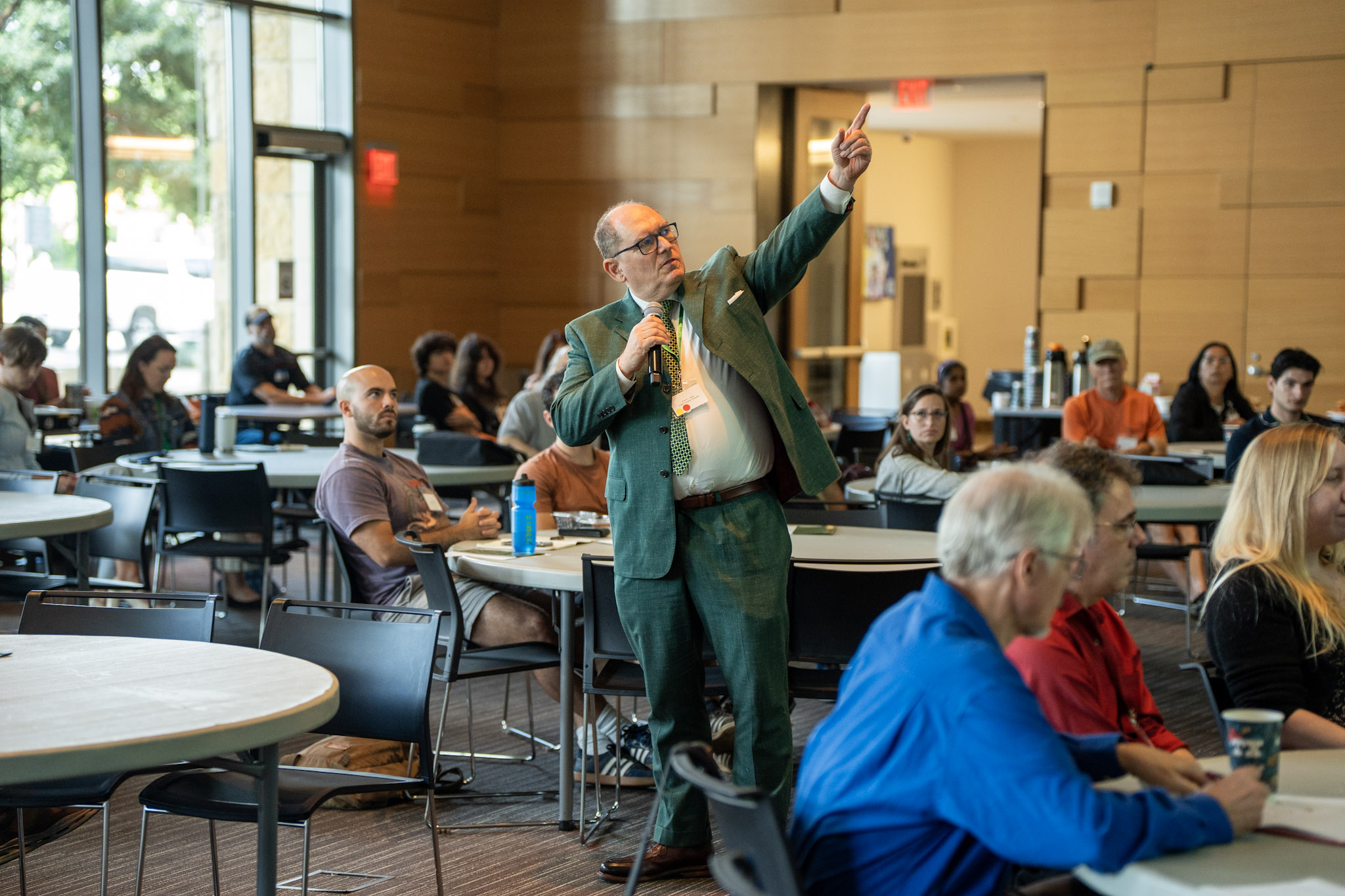
There are multiple takeaways and insights from the event that Public Invention staff and leaders will use to improve future events.
Successful Outreach
The convention had 68 attendees, not including presenters or partner attendees, which is a marked increase from PubInvCon 2025. Of those 68 attendees, an estimated 20-30% noted that they had heard about the event through ads in The Austin Chronicle. Collaborating with The Chronicle cost around $1,800, or nearly 26% of the overall $7,000 budget for the event. These stats indicate that local advertising through reputable partners is a strong avenue for driving traffic to Public Invention. The remaining attendees discovered us through word of mouth, online event calendars, and flyers.
The Venue
The Austin Central Library Special Events Center proved to be an excellent location for the event. The location led to multiple walk-ins from passersby, as well as enough space for the multiple demos, larger audience, and food prep in the adjoining kitchen. The projector, microphones, and related technology also worked well throughout the event.
Inventor Team-Building
The conference provided the opportunity for inventors to meet in-person and face to face, discuss future projects, and generally connect. Additionally, the presentations and demos allowed the wider Public Invention community to see the progress and contributions of others in the organization. The events before and after the event, exclusive to inventors and presenters, further allowed individuals to meet, get to know each other, and build camaraderie.
Media Acquisition
Public Invention hired a professional photographer and videographer, Nasir Muhammad with Precision Studios, to take photos and videos during the event. Volunteer photographer Celina Schuster also provided media support. This has allowed the staff to acquire new media and photos for use on the website and future outreach.
What Went Poorly
Budget
The venue, marketing, and equipment for the event cost around $7,000 in total. Ticket sales brought in $1,000 in revenue, equating to a net loss of $6,000. Part of this loss arose from our lack of sponsors. Cabo Bob’s was our only sponsor, which offset costs for lunch. Moving forward, we will need to prioritize acquiring sponsors earlier to support budgetary concerns.
Team-Building Limitations
While our team-building activities and meet-ups were a general success, they were limited by low attendance. Moving forward, we can explore new avenues for promoting the event internally and encourage more volunteers and board members to attend. The more people come, the more synergy and collaboration can take place.
Event Issues
Demos proved important for audience engagement. Several attendees asked for the demos to run throughout the entire duration of the event, which could be possible if more inventors attended to run them.
Another aspect of the event to address are the slides. In the future, to avoid slow transitions, we can combine speaker slides and have them in running order in advance.
The venue’s kitchen unexpectedly did not have wifi. Unfortunately, this made us unable to demo the EcoPot live. In the future, we will need to test all our equipment beforehand to ensure a smooth event.
Limited Recordings
Despite the presence of two media specialists (Nasir and Celina), we did not record the presentations themselves. While this promotes live attendance, it also limits the engagement of inventors and other interested parties. Additionally, it diminishes the circulation of our inventors’ ideas, projects, and demos.
What We Can Do Better

Pre-Event Outreach
There are multiple aspects of the pre-event marketing which can be improved for future events. For instance, we reached out to Austin radio and television stations too late in the event planning process. As The Austin Chronicle demonstrates, we should emphasize local outreach and collaborate with these avenues earlier in the event timeline.
Related to this, we should reach out to sponsors earlier in the year. This will support our budgetary needs and promote organizational outreach efforts.
Conference Updates
There are several updates to the conference itself which could improve the attendee experience. For instance, we could organize the day into a demo session, talks, and then workshops as separate sections so that people can attend the sections which most interest them. Advertising the separate sections and the talks or projects for each time will further this idea.
Additionally, regarding workshops, we should organize them to be more purposeful and aligned with the other presentations and themes of the conference. They can also be focused on developing a specific skill or building an understanding of a type of hardware, for instance.
We should always include a call to action for the public to improve engagement and allow us to measure the effectiveness of the conference. Having a donation goal, including QR codes that direct people to the volunteer page, and sharing our social media accounts can all increase engagement and conversion of new attendees into long-term supporters.
Finally, while most of our refreshment needs were met, we should bring water bottles and similar basics.
Presentation Updates
We should make the presentations more accessible by providing live captions for the hard of hearing or ASL support. This was requested by multiple attendees. In a similar vein, Spanish translation could also increase our conference’s accessibility.
Another update to the presentations would be to have a complete slide deck with all of the speakers’ presentations merged beforehand. Again, this will reduce awkward or slow transitions between speakers during the event.
During-Event Outreach
We should include things that attendees can take away from the event. This goes for digital resources, including our social media accounts, as well as physical merchandise. The latter can also increase revenue and offset budgetary concerns.
We can place prominent QR codes that connect to Public Invention’s YouTube, Facebook, LinkedIn and website accounts on the registration table or elsewhere in the venue. A volunteer team or staff could also host a separate stall with Public Invention stickers, t-shirts, and other goods present for attendees to purchase.
Finally, we can standardize our nametags by designing them to include our logo, QR codes, and other information.
Post-Event Preparedness
PubInvCon is a large event that requires the investment of time, energy, and funds. Therefore, it is imperative that we leverage the traction and media from the event for higher conversion. To this end, the staff can plan a post-event marketing campaign leveraging acquired media so that, after the event, we can hit the ground running and make the most of everyone’s effort and investment.
Conclusion
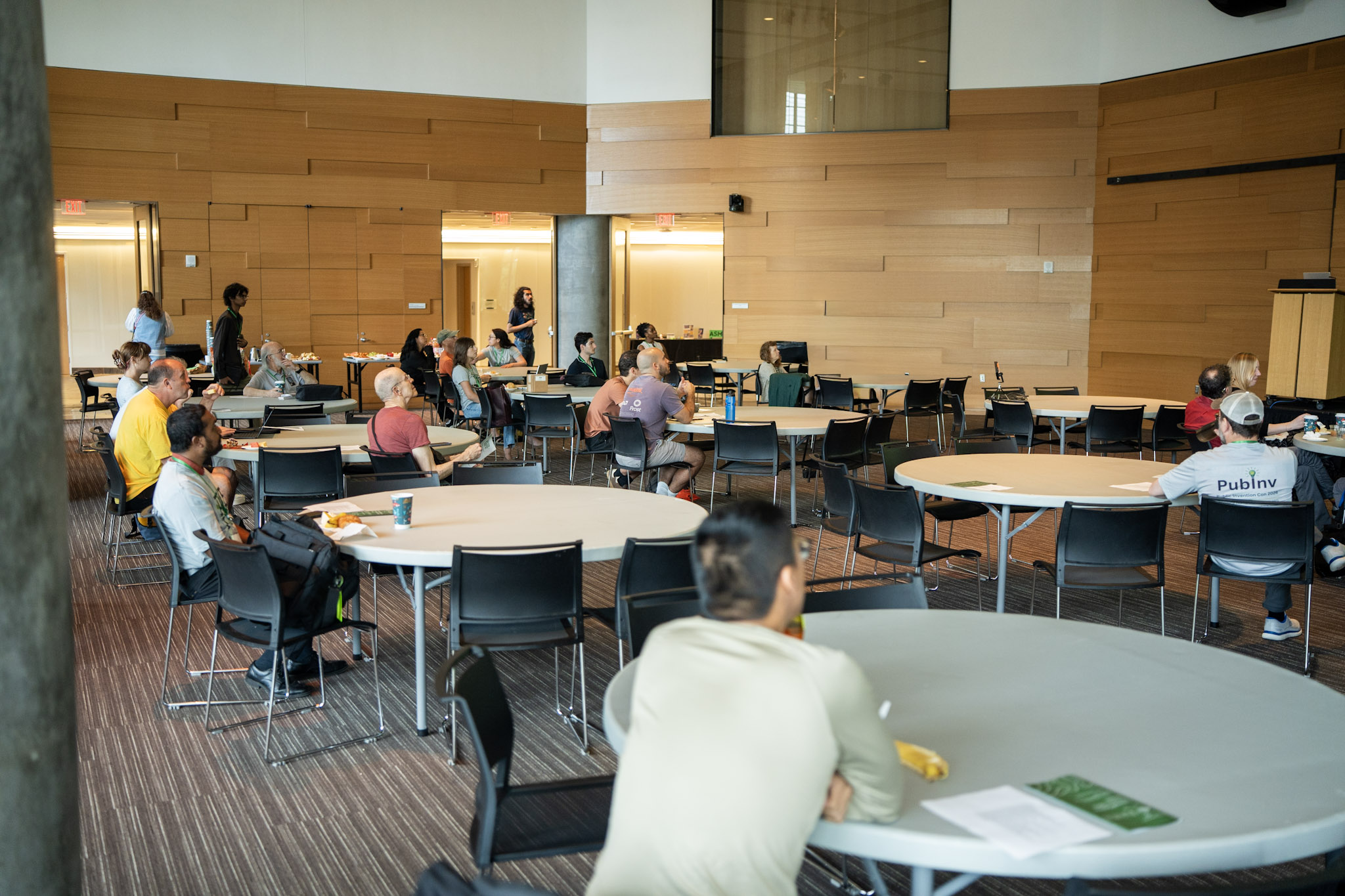
PubInvCon 2026 successfully engaged attendees and provided inventors with the opportunity to meet in-person and present their work. The convention also allowed Public Invention to spread the word about its open-source mission to invent in the public, for the Public. Through supporting project teams by providing community, resources, and encouragement, Public Invention will continue to promote humanitarian engineering projects and make the world a better place through technology and the free sharing of ideas.